
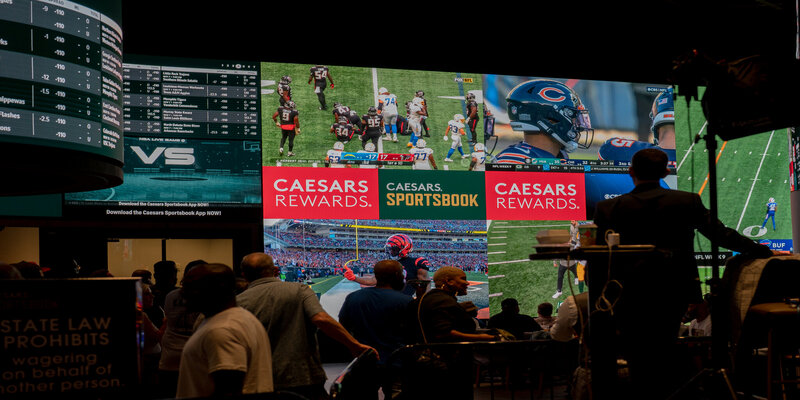
The Invisible Borders of Geo-fencing for Betting
If you have ever tried to place a bet while sitting in a stadium or crossing a state line, you have likely encountered a digital wall. This wall is known as Geo-fencing for betting. It is a sophisticated technology that creates a virtual perimeter around a specific geographic area. For sportsbooks, this isn’t just a technical feature; it is a legal requirement. In the world of regulated gambling, knowing exactly where a user is located is the difference between a legal operation and a massive federal fine.
Geo-fencing for betting works by aggregating data from GPS, Wi-Fi networks, and cellular towers. When you open a betting app, the software pings your device. If your coordinates fall outside the legal jurisdiction, the app “fences” you out. While it might seem like a nuisance, this technology is the backbone of the legal betting industry. It ensures that bettors are physically present in a state where sports wagering is licensed and taxed. Without reliable location tracking, the current landscape of mobile betting simply could not exist.
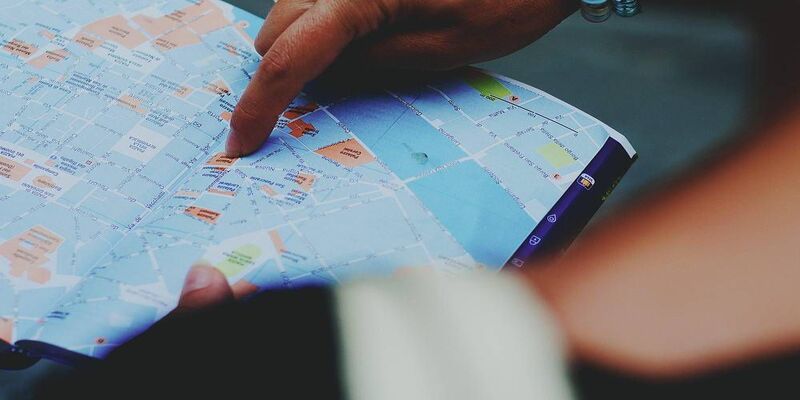
Comparing Geo-fencing for Betting Accuracy Across Platforms
Not all location services are created equal. When we look at geo-fencing for betting across various platforms, we see a significant difference between mobile apps and desktop browsers. Mobile devices are generally much better at this. Because smartphones have built-in GPS chips, they provide highly accurate coordinates. This allows for “pinpoint” accuracy, which is essential if you are betting near a state border or in a “dead zone” where gambling is prohibited.
On the other hand, desktop computers often struggle with geo-fencing for betting. Desktops rely on IP addresses or Wi-Fi triangulation. This is far less precise. If your internet service provider (ISP) routes your traffic through a server in a neighboring state, your sportsbook might think you are in a prohibited zone. To fix this, many sportsbooks require desktop users to download a specific “GeoComply” plugin. This comparison shows that while mobile is more seamless, desktop betting requires extra steps to prove your location and maintain compliance with local laws.
Why VPNs and Spoofing Fail Geo-fencing for Betting Checks
A common question among bettors is whether they can bypass these restrictions using a Virtual Private Network (VPN). The short answer is: almost certainly not. The technology behind Geo-fencing for betting has become incredibly advanced. Modern geolocation software doesn’t just look at your IP address; it looks for “location masking” tools. If the app detects a VPN, a proxy, or a GPS spoofing app running in the background, it will automatically flag your account.
Using a VPN to trick Geo-fencing for betting is a high-risk move. Most sportsbooks view this as a violation of their terms of service. If you are caught, the best-case scenario is that your bet is voided. The worst-case scenario? Your account is permanently banned, and your remaining balance is confiscated. When comparing legitimate play to “spoofing,” the risk far outweighs the reward. Legitimate platforms invest millions in security to ensure that this type of betting remains airtight against hackers and overseas players trying to access domestic markets.
The Role of Geo-fencing for Betting in Consumer Protection
Beyond the legalities, Geo-fencing for betting serves as a vital tool for responsible gambling. By restricting access to specific regions, regulators can enforce local consumer protection laws. For instance, some states have stricter rules on “prop bets” or different age requirements. Geolocation ensures that the specific rules of your current location are applied to your betting slip. It creates a localized experience that aligns with the specific safety net provided by that state’s gaming commission.
Furthermore, this betting helps prevent fraud. If your account is accessed from a location that doesn’t match your historical patterns—say, someone tries to log in from another country while you are at home—the system can trigger an immediate lock. This comparison between “restriction” and “protection” highlights that geo-fencing isn’t just about stopping you from betting; it’s about making sure the person betting is actually you, in a safe and regulated environment.
Solving Common Errors in Geo-fencing Betting
Even if you are physically in a legal state, betting on Geo-fencing can sometimes fail. This usually happens due to interference or poor settings on your device. The most frequent issue is “location drift,” where your GPS signal bounces off tall buildings and places you momentarily outside the boundary. To solve this, bettors should ensure that Wi-Fi is turned on, even if they aren’t connected to a network. Wi-Fi signals provide a secondary layer of data that stabilizes the Geo-fencing for betting checks.
Another tip is to check your app permissions. If you have “Precise Location” turned off in your phone settings, the sportsbook will fail to verify you. Comparing a “failed” user experience to a “successful” one often comes down to these small technical tweaks. By keeping your software updated and your location settings optimized, you can avoid the frustration of a blocked bet. The technology is sensitive, but when it works correctly, it provides a secure gateway to the action.
Conclusion: Embracing the Future of Geolocation
In the end, Moneyline.fyi would like to emphasize that Geo-fencing for betting is a permanent fixture of the modern gambling era. It represents the compromise between total freedom and the necessary oversight required to keep sports betting legal and safe. While it may feel restrictive to be blocked at a state line, this technology is what allows us to bet from our couches rather than driving to a physical casino.
By understanding how Geo-fencing for betting works and how it compares across different devices, you can navigate the digital landscape with confidence. It protects the integrity of the game, the security of your funds, and the legality of the industry. As the tech improves, we can expect these virtual borders to become even more precise, ensuring that the only thing you have to focus on is the odds on the screen. Always remember: in the world of sports betting, your location is just as important as your logic.