

In the fast-paced world of sports wagering, the price you see when a market opens is rarely the price you get when the game starts. This constant movement is known as odds volatility. For some bettors, these fluctuations are a source of anxiety. For others—the professionals—oddsrepresent the single greatest opportunity to find value. Understanding why prices swing wildly in one game while remaining rock-solid in another is the key to mastering market timing.
Comparing High and Low Odds Volatility Markets
Not all sports markets behave the same way. When we compare different leagues, the level of odds volatility varies significantly based on liquidity and information flow. For example, the NFL point spread usually exhibits low odds. Because millions of dollars are bet on every game, it takes a massive amount of money to move the line even half a point. These are “mature” markets where the price is stable and efficient.
In contrast, “niche” sports or prop bets often show high odds. In markets like tennis challengers, esports, or specific player props, a few thousand dollars can cause the odds to skyrocket or crash. This high volatility occurs because the “limit” for bets is lower, and the bookmakers are less confident in their initial pricing.
If you enjoy hunting for “stale” lines, high odds volatility markets are your playground. However, if you prefer a predictable environment where the price reflects the true probability, low volatility markets are much safer.
The Impact of Information vs. Sentiment
What actually causes a price to move? There are two primary drivers of odds volatility: hard data and public emotion. Comparing these two forces is essential for any serious bettor. “Information-driven” odds happen when a concrete event occurs—such as a star player being ruled out with an injury or a sudden change in weather. This type of volatility is rational; the market is adjusting to a new reality.
On the other hand, “sentiment-driven” odds volatility is psychological. This happens when a “public” team like the Cowboys or Lakers attracts a flood of casual bets simply because of their brand name. In this scenario, odds push the price away from the actual statistical probability. As a bettor, your goal is to identify when odds are caused by noise rather than facts. When the crowd’s excitement drives a price too far, it creates a “price bubble” that savvy bettors can exploit by betting against the trend.
How Timing Your Entry Mitigates Odds Volatility Risks
Timing is the ultimate equalizer when dealing with odds volatility. If you compare the “Opening Line” to the “Closing Line,” you will see the full journey of a price. Bettors who place wagers early in the week are embracing odds. They are betting that their initial analysis is better than the market’s. If they are right, they beat the “closing line value.” If they are wrong, they might get stuck with a much worse price than those who waited.
Conversely, waiting until right before kickoff allows you to see the settled market. By this time, most of the odds have played out. The price has been “tested” by both sharps and the public. While waiting reduces the risk of a sudden injury ruining your bet, it also often means you are paying a “premium” price. Comparing these two entry points—early vs. late—is a fundamental part of risk management. A professional strategy involves balancing the high-reward potential of early odds with the security of a late, stable market.
Technical Triggers: Limits, Liquidity, and Odds Volatility
There is a mechanical side to odds volatility that many casual fans ignore. Every sportsbook has a “limit”—the maximum amount they will take on a single bet. When limits are low, odds are naturally high. A single $500 bet might move a line. As the game gets closer and the bookmakers become more confident, they raise the limits. Higher liquidity acts as an anchor, dragging down odds and making the price harder to move.
Comparing a “limit-move” to a “public-move” is a vital skill. A limit-move is triggered by a professional who has hit the maximum allowed wager. This is a “sharp” signal that usually leads to sustained odds. A public move is the result of thousands of small $10 bets. By using tools to track “betting splits,” you can see if the odds volatility you are witnessing is coming from the big players or the small ones. Knowing the source of the movement helps you decide whether to follow the trend or wait for the price to “bounce back.”
The Strategic Value of Odds Volatility in Arbitrage and Hedging
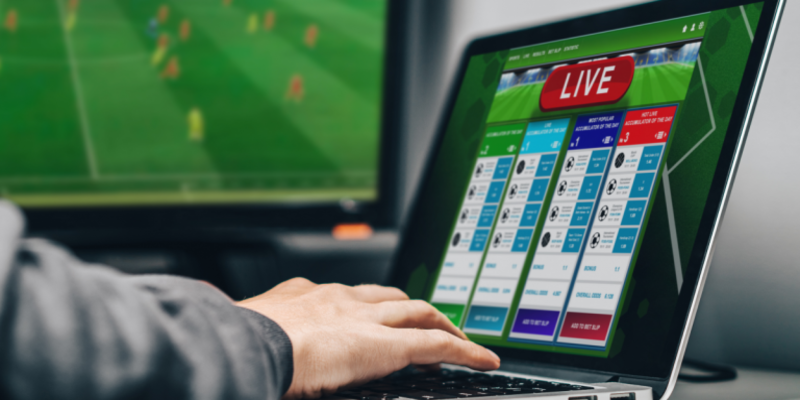
For some, odds volatility isn’t a risk to be avoided; it is a tool to be used. In “arbitrage” betting, players look for high odds across different sportsbooks. If Bookie A moves their price quickly while Bookie B is slow to react, a window of “risk-free” profit opens. This comparison between “slow” and “fast” books is only possible because of the odds.
Furthermore, odds are the engine behind successful hedging. If you bet on an underdog at +200 and its price drops to +120 due to mid-week odds volatility, you are in a “power position.” You can now bet the other side to lock in a profit regardless of the outcome. This is how pros use the “swing” of the market to remove risk from their portfolio. Instead of fearing the move, they learn to predict the direction of odds to create “middle” opportunities where they can win both sides of a bet.
Conclusion: Embracing the Swing
In the end, odds volatility is the heartbeat of the sports betting market. It is the physical manifestation of the battle between opinion and fact. By comparing high-volatility niches to low-volatility majors and understanding the difference between information and sentiment, you can navigate these waves with confidence.
You shouldn’t fear a moving line. Instead, use your betting analysis to determine if the odds has created a better price for you. Whether you are an early-bird hunter or a late-market stabilizer, the way you handle price shifts will define your long-term success. Stay disciplined, watch the limits, and remember that in the world of betting, the only constant is change. Master the art of odds, and you will always be one step ahead of the house.