

In the world of sports betting, the odds are never static. From the moment an opening line is posted until the final whistle blows, the numbers are in a constant state of flux. To the untrained eye, these shifts look like random fluctuations. But to a professional bettor, these changes are a goldmine of information. This process of tracking and interpreting these shifts is known as line movement analysis. If you want to stop guessing and start projecting, you must understand that the movement of a line tells a story about money, injuries, and the “sharpness” of the market.
The Psychology Behind Line Movement Analysis
At its core, line movement is about understanding the motivations of the sportsbook and the betting public. A sportsbook’s primary goal is not always to predict the exact score of a game. Instead, their goal is to manage risk. When a bookie sees too much money pouring in on one side, they shift the line to make the other side more attractive. This is the most basic form of market balance.
When you perform line movement analysis, you are trying to figure out who is causing the move. Is it the “square” public betting with their hearts on a popular favorite? Or is it a group of professional “sharps” who have found a mathematical edge? By analyzing the “why” behind the shift, you can determine if a line move is something to follow or something to fade. Understanding this psychology allows you to see the betting board as a living, breathing marketplace rather than just a list of numbers.
Spotting Value Through Reverse Line Movement Analysis
One of the most powerful signals in sports betting is “Reverse Line Movement” (RLM). This is a specialized subset of line movement analysis that identifies when the odds move in the opposite direction of the betting percentages. For example, imagine 80% of the public is betting on the Lakers to cover a -5 spread. Naturally, you would expect the line to move to -6 or -7. But if the line instead drops to -4, a massive alarm should go off in your head.
This specific type of movement analysis tells you that the 20% of bettors on the other side—the underdogs—are wagering significantly more money than the 80% of casual fans. This is the hallmark of “sharp action.” When the professionals bet enough to force a bookmaker to move the line against the public consensus, you have found a high-value opportunity. Mastering RLM through consistent movement analysis is how small bettors turn into big winners by aligning themselves with the smartest players in the room.
Technical Triggers That Fuel Line Movement Analysis
While money is the primary driver, other technical factors play a huge role in line movement analysis. Injuries are the most obvious trigger. If a star quarterback is downgraded from “probable” to “out,” the line will move instantly. However, the key to advanced movement analysis is anticipating these moves before they happen. Following beat reporters on social media can give you a two-minute head start on the rest of the market.
Weather also dictates shifts, especially in totals (Over/Under). If a forecast suddenly calls for high winds or heavy snow, you will see a rapid downward trend in the point total. Effective movement analysis involves checking these external variables against the current odds. If the weather changes but the line stays the same, you might have found a “stale” line that is ripe for the taking. By combining situational data with price tracking, your movement analysis becomes a multi-dimensional tool for finding an edge.
Timing Your Wagers Using Movement Analysis Results
Knowledge is power, but timing is money. Line movement analysis is useless if you don’t know when to pull the trigger. Generally, lines are most volatile when they first open and right before kickoff. Professionals often bet early in the week to catch the “opening” line before the market corrects itself. Conversely, casual bettors usually wait until an hour before the game, which often leads to “public” moves that inflate the price of favorites.
By using movement analysis, you can decide whether to “buy” now or wait. If you like an underdog and the betting analysis suggests the public will continue to hammer the favorite, you should wait. The line will likely move from +3 to +3.5 or +4, giving you a better price. On the other hand, if your movement analysis shows sharp money is already coming in on your side, you need to bet immediately before the value evaporates. Learning the rhythm of the market is the final step in turning data into profit.
The Limits of Line Movement Analysis in Unregulated Markets
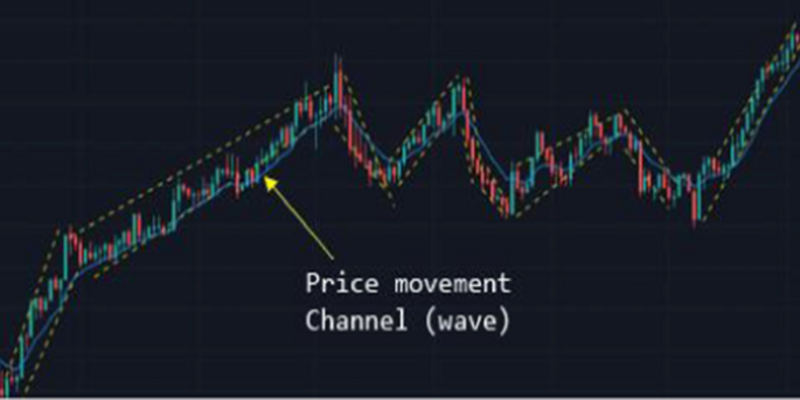
It is important to remember that line movement analysis is most effective in high-volume, regulated markets. In these environments, the sheer amount of money involved makes the signals more reliable. In small, unregulated “offshore” books, lines can move for arbitrary reasons—such as a bookie simply being afraid of a specific player or having low liquidity.
When performing movement analysis, you should always look at “consensus” lines from major, high-limit sportsbooks like Circa or Pinnacle. These are the “market makers.” If they move, everyone moves. If a small, unknown site moves its line while the giants stay put, that isn’t a signal—it’s an outlier. Reliable line movement analysis requires high-quality data from the most respected sources in the industry to ensure you aren’t chasing ghosts.
Conclusion
In the end, sports betting is a game of information and execution. You are competing against the house and, in many ways, against other bettors. Line movement analysis is the bridge that connects raw data to winning tickets. It allows you to see the “hidden” hands of professional gamblers and the calculated risks of the oddsmakers.
By studying the psychology of shifts, spotting reverse movement, and timing your entries, you elevate your game from a hobby to a craft. Don’t just look at the odds—read them. Use line movement analysis to understand the story the market is trying to tell. When you can see why a number is moving, you stop being a “square” and start being sharp. Keep your eyes on the board, watch for the splits, and let the movement lead you to the payout window.