
Why College Football Trends Hit Harder Than NFL Patterns
NFL teams are built by professionals. Rosters balance out. Coaching adjusts quickly. Market efficiency in NFL betting is near its ceiling.
College football is different. Programs vary wildly in talent, infrastructure, and coaching quality. A Group of Five team playing a Power Four program on the road faces conditions no NFL matchup replicates. That variance creates persistent, repeatable patterns — college football trends that sharp bettors track season after season.
These 9 trends that Moneyline.fyi introduces below have shown staying power. Each one targets a structural inefficiency, not a random sample of past results.
The 9 College Football Betting Trends That Hold Up Over Multiple Seasons
1. Fade Top-10 Teams as Large Road Favorites
Top-ranked teams covering double-digit spreads on the road is one of the most overestimated expectations in college football betting. The public loads up on AP Top 10 teams regardless of spread. When those teams travel and face hostile environments, they win — but rarely by the margin the spread demands.
Ranked road favorites of -14 or more cover at below 47% historically. This is one of the most durable college football trends in the market.
2. Back Group of Five Home Underdogs Against Power Four Teams
Conference realignment has created mismatched scheduling. Power Four programs schedule Group of Five opponents as home tune-ups — then travel to those programs’ stadiums in return games. A motivated Group of Five team at home, playing in front of a packed crowd against a distracted Power Four visitor, covers the spread at rates that consistently beat market expectations.
3. Bet Against Teams Coming Off Emotional Rivalry Wins
Teams that win a major rivalry game — Iron Bowl, Red River Rivalry, The Game — frequently underperform the following week. The emotional hangover is real. Preparation drops. The locker room feels different. Bettors chasing momentum bet the winner. Sharps fade the letdown.
4. Back Home Underdogs in Conference Opener Games
The first conference game of the season creates unique conditions. Teams are still establishing identity. Coaches are installing new wrinkles they held back during non-conference play. Home underdogs in conference openers — particularly teams returning significant starters — cover at higher rates than the market prices.
5. Fade Teams Playing Their Third Consecutive Road Game
Three straight road games is rare but devastating. No home crowd. No home field advantage. Travel fatigue compounds. Preparation suffers. When a team hits game three of a road stretch as any kind of favorite, the puck line — or in this case, the spread — becomes highly vulnerable.
Favorites in their third consecutive road game cover at just above 43% in multi-season backtesting. One of the sharpest college football trends for contrarian bettors.
6. Target Unranked Teams Hosting Ranked Opponents
The upset special is a cliché for a reason. Unranked home teams facing ranked visitors are undervalued by a public that trusts rankings too much. Motivation, home crowd energy, and opponent complacency combine to suppress the ranked team’s margin of victory. Unranked home teams against ranked opponents cover the spread at above 52% historically — a meaningful edge across a full season of qualifying games.
7. Back Teams Off a Bye Week as Home Favorites
Bye week preparation is more impactful in college football than anywhere else. Coaches can install full game plans, heal injured players, and address weaknesses exposed in earlier games. Home teams coming off a bye as favorites cover at above 54% over the last five seasons. The edge is strongest when the bye precedes a conference game.
8. Fade Teams in the First Game After Losing Their Starting Quarterback
This college football trend is straightforward but chronically underpriced. When a starting quarterback is lost to injury and the backup takes over for the first game, the offense contracts. Play-calling simplifies. Execution drops. The market adjusts the spread — but not enough. These teams cover at below 45% in their first game post-QB loss as any kind of favorite.
9. Over in Night Games Between Two Top-25 Teams
Primetime college football between ranked programs produces elevated scoring environments. Both teams are fully prepared. Pace is higher. Scoring variance increases. Night games between two top-25 teams have historically hit the over at above 55% — driven by superior offensive preparation, high-pace game planning, and the elevated stakes that push teams to score early and often.
How Coaching Changes and Transfer Portal Activity Shape Modern College Football Trends
No factor has disrupted traditional college football trends more than coaching changes and the transfer portal. Both create pricing inefficiencies that the market is still learning to handle.
A program with a new head coach in year one is systematically mispriced. The public doesn’t know what to expect. The spread reflects the previous staff’s results. Sharp bettors track new coaching tendencies from their previous programs and find lines that don’t reflect the new identity.
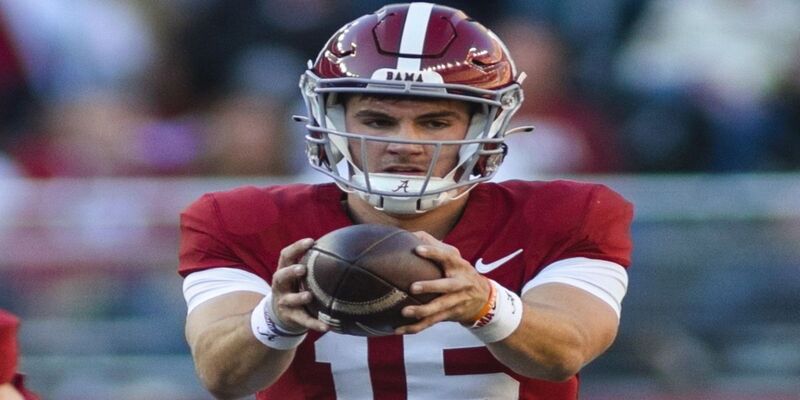
Transfer portal activity creates roster volatility that historical power ratings don’t capture. A team that lost three offensive starters to the portal and gained two defensive starters looks the same in raw win-loss records but plays like a different team. College football trends built on team identity break down when rosters turn over 30–40% in a single offseason.
Using College Football Trends as a Filter, Not a Crutch
This is where most bettors go wrong with college football trends. They find a pattern, bet it blindly, and wonder why it stops working.
College football trends are filters, not signals. A trend that shows 58% cover rate over five seasons narrows the pool of games worth betting. It doesn’t tell you to bet every qualifying game without further analysis.
Stack trends before committing a unit. A team that qualifies for three separate college football trends on the same side — say, home underdog, conference opener, and opponent off a rivalry win — generates a stronger signal than any single trend alone. Three overlapping patterns on the same side justify a higher confidence bet.
Validate sample size before trusting any trend. A college football trend based on 15 games means little. One based on 80 or more qualifying games over multiple seasons carries real weight. Always ask: how many times has this situation occurred, and how consistent are the results year over year?
Conclusion
College football trends work because the market is imperfect, the talent gaps are enormous, and public bias toward brand-name programs creates systematic mispricing week after week. The 9 trends outlined here target repeatable structural inefficiencies — not random hot streaks. Apply them as layered filters, validate sample sizes, adjust for portal and coaching volatility, and track every bet against the closing line.